
Solar-powered irrigation and watering
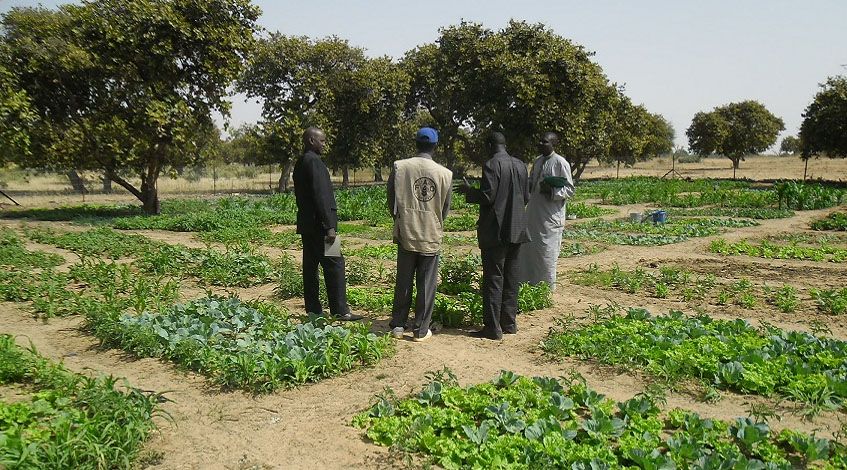
Irrigation is among the measures that can improve yields, reduce vulnerability to changing rainfall patterns, and enable multiple cropping practices. Although expanding, land area under irrigation nevertheless represents a marginal share of total cultivated area, especially in sub-Saharan Africa, where only 5% of farmland is irrigated. Affordable, reliable and environmentally sustainable energy is a vital input for delivering irrigation services.
Choose your irrigation method
Every irrigation project starts with the same decision: how the water reaches the plant. The method fixes the pressure; the pressure sizes the pump and the solar array. Our guides walk through each option with the equipment that fits it.
 Drip irrigation
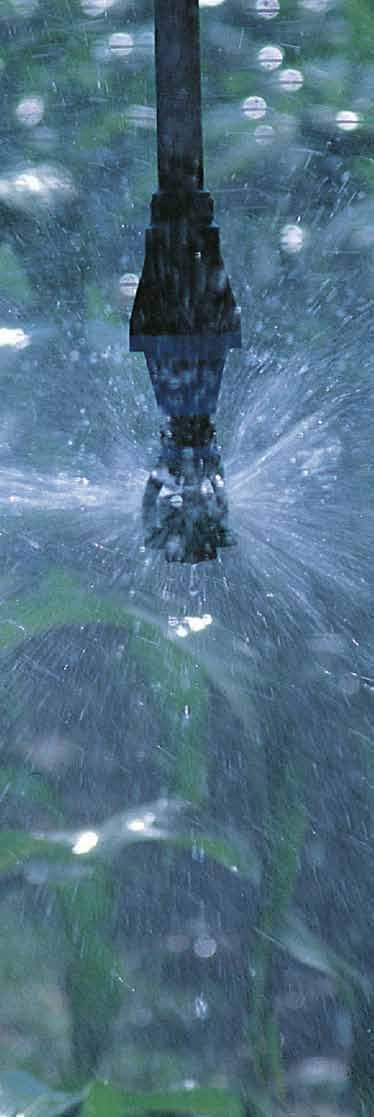
The most water-efficient method, modest pressure, perfect solar match. Pressurised or gravity-fed.
Drip irrigation
The most water-efficient method, modest pressure, perfect solar match. Pressurised or gravity-fed.
 Sprinkler and pivot
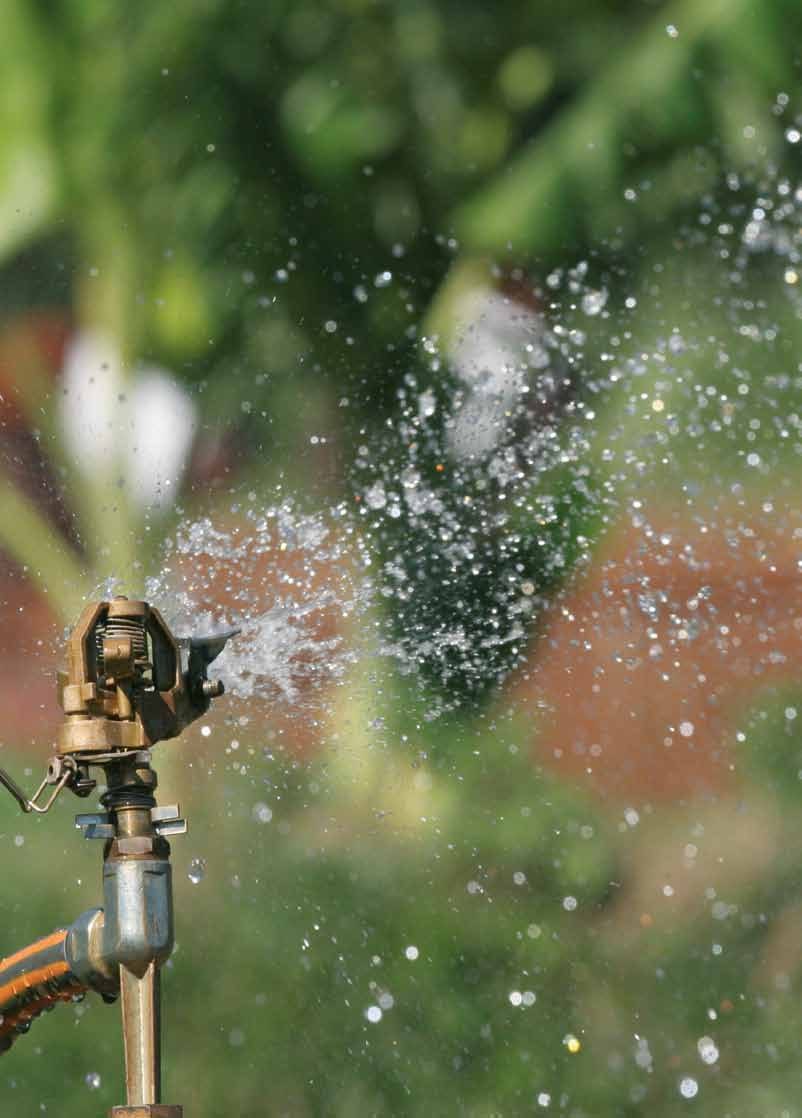
Field crops, fodder and pasture at scale. Higher pressure, bigger pumps, external solar inverters.
Sprinkler and pivot
Field crops, fodder and pasture at scale. Higher pressure, bigger pumps, external solar inverters.
 Livestock watering
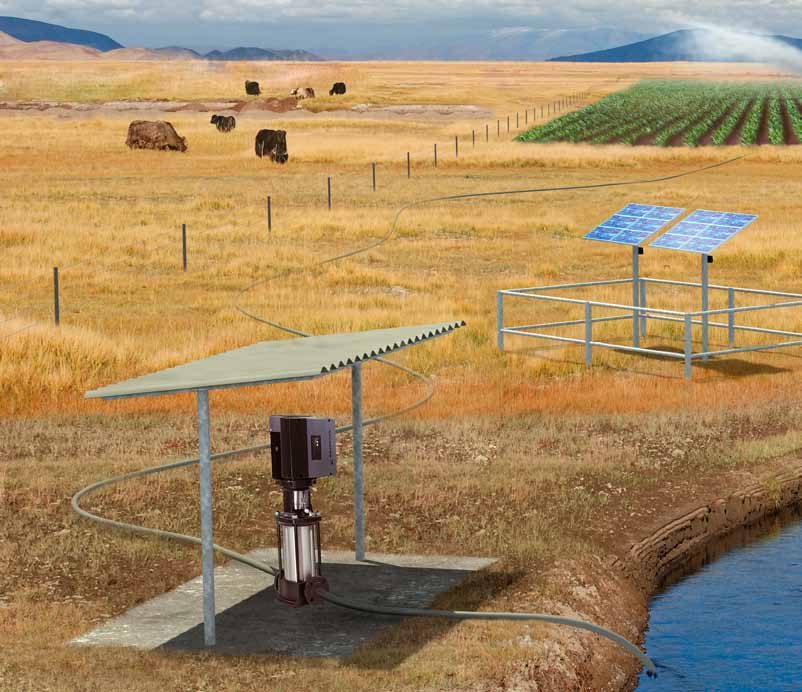
Troughs and tanks that run unattended on remote pastures, level switches included.
Livestock watering
Troughs and tanks that run unattended on remote pastures, level switches included.
 Replacing diesel
Where the fuel budget goes, what solar changes, and how to migrate an existing borehole.
Replacing diesel
Where the fuel budget goes, what solar changes, and how to migrate an existing borehole.
Matched equipment, one wholesale supplier
Small drip blocks run on compact pumps with integrated solar electronics such as the Grundfos SQFlex or the LORENTZ PS2. Pivots and large sprinkler stations pair a three-phase Grundfos SP or CR multistage pump with a Grundfos RSI or ABB ACQ80 solar inverter. SINES Export stocks and ships equipment at both scales worldwide, and our team sizes the complete system free of charge from your field data: see the sizing guide or go straight to the technical studies service.
A large proportion of farmers continue to rely on seasonal rains for irrigation. In this non-access context, farmers are expected to invest in pumping systems to obtain access to groundwater or surface water. The main challenges they face are access to finance and the right technology, as well as the capacity to operate and maintain the systems. Fuel-based solutions can be cumbersome, especially in remote areas where the cost of transportation can be prohibitive. More importantly, a substantial proportion of earnings would need to be reinvested into procurement of fuel for subsequent crop cycles.
Solar-based solutions can provide reliable, cost-effective and environmentally sustainable energy for decentralised irrigation services in a growing number of settings. When deployed, the benefits include improved livelihoods (increased productivity and incomes, and food security), increased social welfare (poverty alleviation, emissions reduction) and reduced spending on fossil fuel subsidies and centralised infrastructure.
Within the broad spectrum of solutions, solar-powered irrigation has gained prominence lately. While solar pumping technology has been deployed for decades, recent cost reductions and increasing awareness of the potential benefits of this technology, has compelled a growing number of countries to launch programmes to accelerate its deployment. The private sector is showing a keen interest since the application of solar-based power is emerging as the preferred solution due to its predictability in supply, scalability and zero-fuel input.
SINES Export, specialist of the African continent offers a complete range of pumps, solar pumps, solar drives, pumping inverter and solar pumping solutions. The quality of our services, our responsiveness and our desire to bring the best solution to the needs of the African continent makes us a reliable and efficient partner.


